Beautiful bright patterns mark Bandhani sarees as treasured Indian garments. Lively shades dance across flowing cloth, carrying generations of meaning. Festive lights reflect off these wraps during ceremonies, joyful gatherings, big celebrations. Shoppers often pause at choices – what material feels right, what hue speaks true, how deep does good workmanship go, and what number sits fairly on price tags.
Starting your search for a Bandhabi saree? Try using this guide to find exactly what suits you best. It breaks down everything clearly, so picking becomes less confusing. Right choices start here, long before the purchase happens.
What is a Bandhani Saree?
Tiny dots bloom when knotted cloth meets color, born in Rajasthan and Gujarat long ago. Fingers twist the material into tight grips before dipping it in dyes. Once undone, each knot reveals a pattern never seen before. Handwork makes sure no two pieces follow the same path. This craft lives through patience, one pinch at a time.
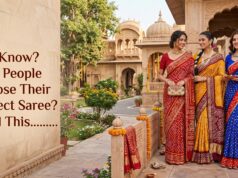
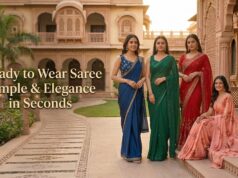
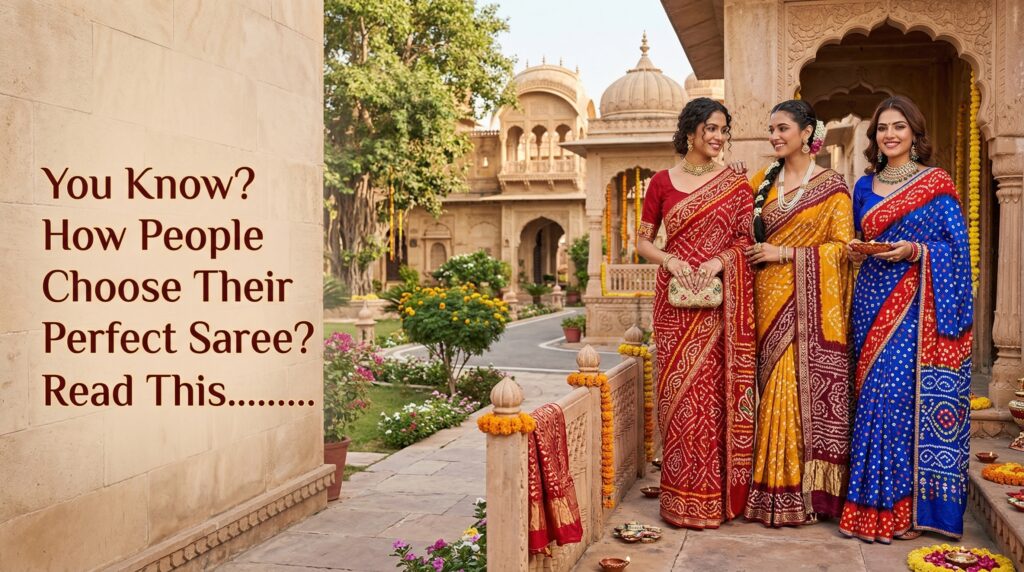
Red, yellow, green, pink, or even deep blue – Bandhani sarees burst with vivid hues. During celebrations such as Diwali, Teej, Karwa Chauth, weddings, plus family gatherings, they appear frequently on women. Their presence grows stronger when traditions call for color and meaning woven into fabric.
A handmade craft like Bandhani turns the saree into more than fabric – each dot, each fold carries history. Not merely worn, it holds stories stitched through generations.
Types of Bandhani Sarees
Starting off, spotting the variety among Bandhani sarees matters when you plan to buy one. These pieces aren’t carbon copies – far from it. Fabric choices shape what each offers. Design details shift the feel completely. One might flow like air, another stands firm through pattern alone.
1. Cotton Bandhani Saree
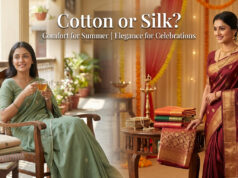
Light cotton Bandhani sarees feel good to wear every day, especially when it is hot. Because they do not weigh much, carrying them around takes no effort at all. Worn for many hours, they still stay soft on the skin without irritation. Perfect in summer, these sarees move easily with your body through the day.
2. Georgette Bandhani Saree
Light on the body, Georgette Bandhani sarees move with ease. Flowing fabric makes draping simple. Events see them often. Gatherings welcome their presence.
3. Silk Bandhani Saree
Bursting with color, Silk Bandhani sarees carry a timeless charm. Because of their intricate patterns, they stand out at weddings. Festivals feel brighter when these drapes flow through crowds. Special moments grow memorable wearing one.
4. Chiffon Bandhani Saree
Softness meets light fabric in Chiffon Bandhani sarees. Elegance shows up, yet feels fresh and now. A gentle drape carries presence without weight. Style leans in, though never tries too hard.
Fabric choice begins with the occasion in mind. Where you plan to go shapes what material feels right.
How to Identify an Original Bandhani Saree
Most folks feel unsure when shopping for a genuine Bandhani saree since fake versions flood stores these days. Still, spotting the authentic kind doesn’t have to be hard. A few clear clues can tell one apart.
Start by checking the dots closely. Handmade Bandhani features irregular spots – never fully round or uniform – since fingers tie each knot. Machine-made prints show identical patterns, stamped neatly across the cloth.
Look at the reverse of the saree next. True Bandhani shows its pattern clearly from behind too. Fake prints often appear dull or blank on the underside instead.
Handmade marks often appear as little knotted threads in real Bandhani sarees. Notice how slight irregularities form unique textures across the fabric. These tiny flaws? They confirm human hands shaped every fold. A machine would never leave such subtle hints behind.
Few rupees extra might tag handmade Bandhani sarees, yet their value hides in roots tied to legacy – durability sneaks in where mass prints fade. Tradition stitches them alive, time refuses to loosen that grip.
How to Choose the Right Fabric
Picking what the saree’s made of matters most when it comes to Bandhani. Depending on where you’re wearing it, go for something that feels right against your skin.
Starting your day right might mean picking a cotton or chiffon saree – light fabric helps when moving around. Comfort shows up quietly in choices like these, especially if worn often.
A party outfit needs the right fabric, so pick georgette if elegance matters. Its flow gives a sleek touch without trying too hard.
Should weddings or festivals be on your mind, go for a silk Bandhani saree – its look carries weight, feels rooted. Richness shows up in the fabric, tradition lives in the weave.
Most times, running fingers across the material tells more than any label. Softness matters – comfort shows up there, not in glossy promises. Rough edges or tight weave? That usually means trouble later on.
How to Choose the Right Color
Color selection is very important when buying a Bandhani saree. Different colors are suitable for different occasions.
- Red and maroon are perfect for weddings and traditional functions.
- Yellow and orange are perfect for festivals like Teej and Haldi.
- Blue and green are good for parties and family functions.
- Pastel colors are good for modern and elegant looks.
You should also choose a color based on your skin tone. Bright colors usually look good on most people, while pastel colors give a soft and elegant look.
If you are buying your first Bandhani saree, red, green, or blue is a safe and good choice.
Bandhani Saree Price Guide
What you pay for a Bandhani saree ties closely to its material, pattern complexity, one stitch at a time versus factory speed. Sometimes thread weight shifts cost more than color choices. Handcrafted versions carry higher value because fingers shaped each dot slowly. Machine versions drop lower since rollers repeat motions fast. Design density plays role too – tighter patterns demand longer hours. Fabric type matters just as much, silk pulling price up while cotton keeps it grounded.
- Georgette Bandhani Saree – Medium price range
- Chiffon Bandhani Saree – Medium price range
- Cotton Bandhani Saree – Low price range
- Silk Bandhani Saree – High price range
- Pure Handmade Bandhani Saree – Higher price range
A handcrafted Bandhani saree made without machines sits in a costlier bracket
Each stitch in handmade Bandhani sarees carries hours of effort, which lifts their cost. Yet these pieces hold deeper charm, rooted in old ways. Their value shows not just in looks but in the craft passed through hands.
A low price often means it’s just a print, not genuine Bandhani work. Real tying and dyeing takes more time, so bargains rarely deliver true craft.
Bandhani Saree for Different Occasions
A different setting means a different pick might work better. Where you plan to go shapes which Bandhani saree fits. Picking one depends on the occasion showing up. The event changes what feels right to wear. Your destination guides the choice without saying much.
A lightweight cotton Bandhani sari works well every day when the pattern stays subtle. Instead of heavy styles, go for soft weaves that feel comfortable through long hours. A minimal print keeps it fresh without drawing too much attention. Try pairing it with a plain blouse to balance the look naturally.
A light fabric like chiffon or georgette works well for work events or quiet gatherings. Try a Bandhani design, but keep the print subtle. Patterns that don’t shout stand out in their own way.
A splash of color makes sense during celebrations – think vibrant Bandhani drapes holding patterns passed down generations. Bright hues rise naturally when joy fills the air. Tradition steps forward through woven details, each motif carrying quiet stories. These sarees show up differently under festival lights. They move like memory given shape.
A wedding calls for a silk Bandhani saree, maybe one with a bold border. Or pick something where the dots cover every inch in careful patterns.
A perfect look starts with picking a saree that fits the event. Matching fabric and design to the moment shapes how you’re seen. Sometimes it’s about shine, sometimes simplicity wins. The right choice feels natural when you move through the room. Details align without trying too hard. What matters shows up quietly.
Difference Between Bandhani and Leheriya
Confusion pops up a lot when folks see Bandhani next to Leheriya. Though each comes from an old-school tie-dye craft, their patterns tell separate stories. One dances in dots, the other flows in waves – distinct rhythms, same roots.
Those tiny circles in Bandhani come from little knots tied into cloth. Fabric gets its look when threads pinch and bind sections tight. Each dot forms through careful binding before dyeing takes place. Knots resist color, leaving spots once undone. Craftsmen create patterns by how they tie the material. The method shapes each unique design slowly. Dots appear where fabric stayed untouched by dye.
Wavy trails ripple through the cloth, forming shapes much like flowing water. Sometimes they twist gently, other times stretch long and thin across the surface.
A closer look shows Bandhani carries intricate patterns rooted in age-old customs. Meanwhile, Leheriya stands out with clean waves that feel modern yet grounded.
Folks tend to pick Bandhani sarees at weddings, even though both look stunning. What stands out is how often they show up during big cultural moments.
Bandhani Saree Care Tips
A fresh Bandhani saree needs careful handling right away. Lasting quality shows up when you treat it gently each time. This kind of fabric stays bright only if stored away from sunlight. Washing by hand keeps the patterns sharp and rich. A little attention after every wear makes years of difference.
A fresh breeze of care means only professional cleaning for silk Bandhani sarees. Home washing? Never a good idea.
Start by soaking a cotton Bandhani saree gently in cool water using soft soap. What helps next is rinsing it carefully without twisting. Finish with air drying away from harsh sunlight.
Fading happens fast when Bandhani sarees sit in harsh sun – better to skip drying them that way. Sunlight pulls out the dye, leaving shades weak and washed.
A fresh cotton wrap works best when tucking the saree away. Sometimes a dedicated pouch made of breathable fabric holds it just right. Wrapped loosely, it stays safe from dust and light. Never leave it exposed where air can’t move around. A soft covering keeps folds smooth over time.
Mist never lands gently when it comes straight from the bottle onto silk. Instead, let scent float through air before touching fabric.
Your Bandhani saree might stay beautiful a long time, provided you treat it gently.
Things to Know When Choosing a Bandhani Saree
Before buying a Bandhani saree, always remember these simple tips:
Start by checking the pattern closely – spotting tiny dots grouped tightly means it could be handmade. A smooth, even layout might mean it was stamped instead. Notice how colors spread; bleeding edges often point to print. Real tie-dye shows slight irregularities, never perfect repeats. Each little shift in shape tells you what method shaped it.
- Fabric first – give it a feel to see how soft it lands on your skin.
- Pick a shade that fits what you’re doing. Sometimes it’s the moment itself that picks for you.
- Start by checking what different stores charge. A quick look around could save money later.
- Shop where people leave good reviews. A known name often means fewer surprises.
- Maybe go for handcrafted Bandhani sarees when you can. A handmade one might suit better if it’s an option.
A Bandhani saree isn’t simply something bought off a shelf – it carries stories woven into every dot. Because each pattern takes time, effort, and skill, owning one means holding history close. Over years, its colors may soften but never lose meaning. With care, it becomes less clothing, more heirloom – something that moves beyond fashion.
Conclusion
Here’s how to pick one without stress. Bright shades catch eyes fast – yet soft tones whisper elegance just as loud. Cotton breathes easy under hot suns; silk shines when lights dim low. Dots dance in circles, clusters, waves – each pattern tells a mood. Some cost less, others ask more, depending on who made them and where they traveled from. Moments like these deserve cloth that feels true – not just loud.
This Bandhani Saree Shopping Guide showed ways to spot real Bandhani, pick suitable material and shade, while also highlighting key points to review prior to purchase. Following these straightforward suggestions makes finding your ideal Bandhani saree a smooth process.
A fine Bandhani saree isn’t merely clothing – it carries stories, woven into every dot, lasting beyond passing trends.